The suburbs around London have become blighted over the last twenty years by relentless infilling and “garden grabbing”. Front gardens have been paved over to create extra parking. Wooden windows have been unsympathetically replaced by identikit uPVC glazing. And yet if you look at the suburbs carefully you realise they represent a triumph of visual design, and the most successful experiment in mass housing anywhere in Europe. The inter-war suburbs that ring London are, to my eyes, a hidden treasure waiting to be appreciated (rather like the art deco architecture of Florida was ignored for many decades). Rash prediction: by 2050 the suburbs will be authentically restored and will be a visitor attraction on tourist itineries.
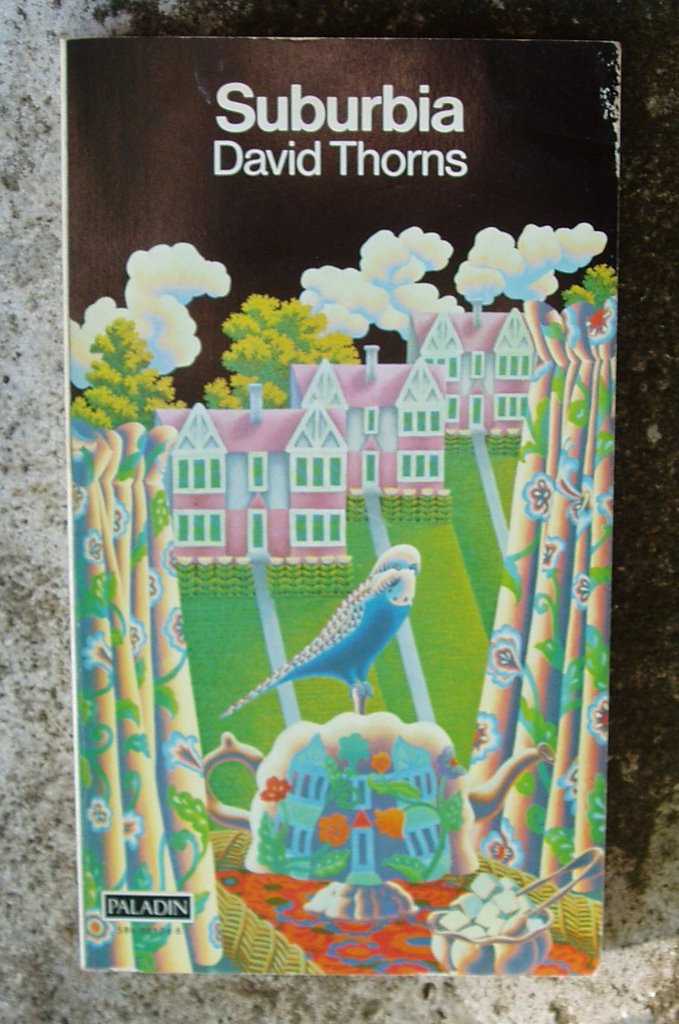
Above: this book by Mark Thomas is not as good as Semi-Detached London by Alan A Jackson (note: the books you find in second-hand stores are much smaller than the ones currently being retailed – was it a marketing scam that made paperbacks twice the size and three times the price?). I once went for a walk around Purley with a local history society and it transformed the way that I looked at the suburbs. Purley was laid out along the principles expounded by William Webb in his book Garden First in Land Development (emphasising the importance of gardens in the aesthetic experience of life – basically without access to gardens and nature humans become neurotic and anti-social).

Above: William Webb inspired Ebenezer Howard, founder of the Garden City Movement. This is one of my favourite books. I like everything about it – the restrained cover, the Faber “feel” of the book, the choice of typeface, the choice of point size, the layout of the pages, the fact that such an unassuming volume contains revolutionary ideas on town planning…).
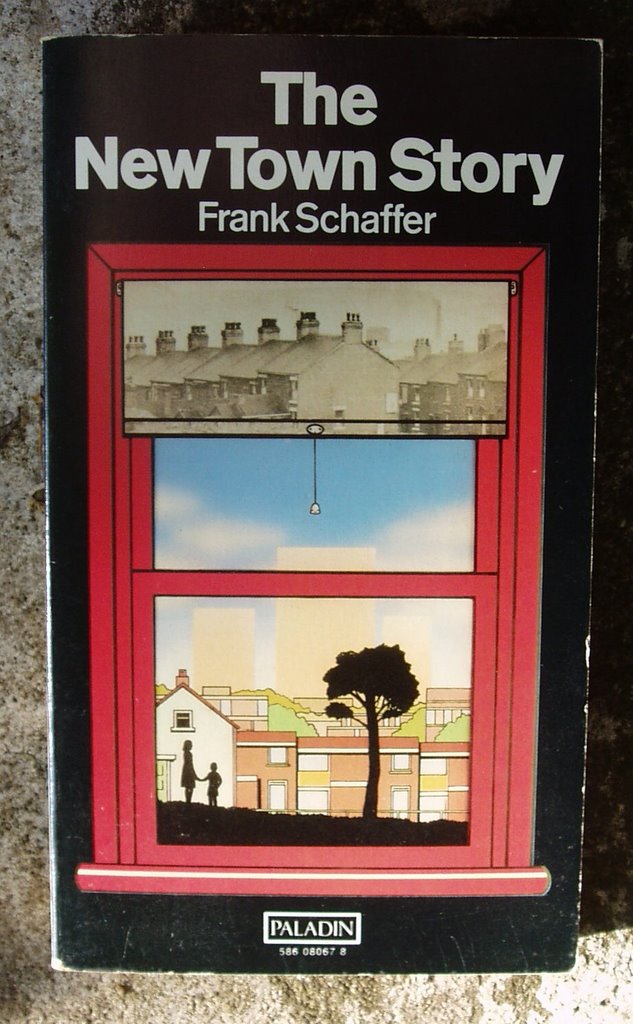
Above: The pre-war garden cities (Letchworth, Welwyn Garden City, Hampstead Garden Suburb) inspired the post-war New Towns (Milton Keynes, Bracknell, Harlow). Derided as soulless and uninspired, the New Towns have actually been economically and socially successful. The exception I would make is Peterborough.
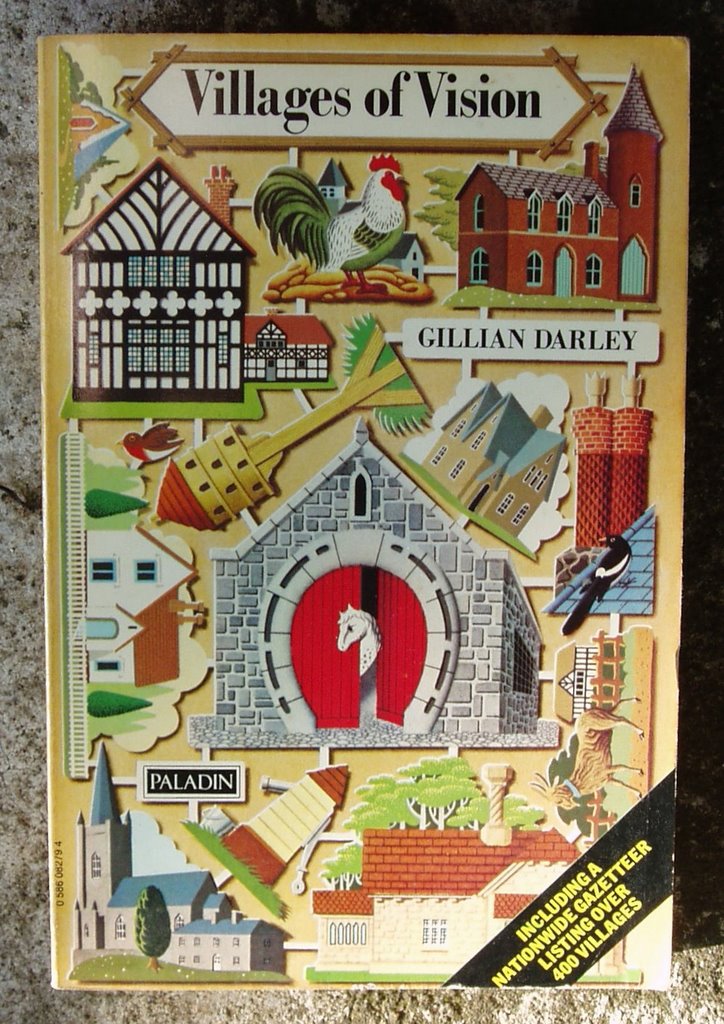
Above: garden suburbs, garden cities, New Towns – all these concepts stem from the utopian communities and model villages that have emerged in England since the fifteenth century. Little Gidding, Bourneville, Poundbury. Harlow New Town even inspired an exact copy in a sheikhdom in the Middle East.


2 comments:
A fascinating piece. I think you are right about the coming architectural and social importance of suburbia. Have you seen this website? I think it would appeal to you. I love it because I lived in Norwood for a time and valued its village feel, old villas, big gardens, remnants of the old gentility.
Thanks for the link Anna. Some of my earliest memories are of Mill Hill and Edgware - it still has a hold on my imagination.
Post a Comment