
Church bell, 16th century, at a village in the west of the county (under the internal cliff). The bell was taken down when the bell loft in the tower became unsafe (there are still five bells remaining in the belfry which are rung every Friday evening and Sunday morning). As well as calling the villagers to church services, in medieval times a single bell was rung to announce the angelus (three times a day) and the curfew.
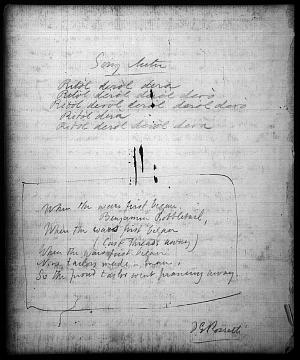
Bells would also solemnly toll to announce the death of anyone in the village – “nine tailors” (tollers) for the death of a man, six for a woman. Dorothy L Sayers titled one of her most famous detective stories “The Nine Tailors”. The expression Nine Tailors also crops up in a limerick, recorded by Dante Gabriel Rossetti. There was a widespread belief in the county that the sound of bells could cleanse the air of evil (associated with the miasmic theory of disease). Petitions were made in the 17th century for the church bells to be rung to allay popular concerns (fear of plague, fear of witches, fear of “foreigners” sighted in the district). Betjeman wrote: “The sound of English bells is the music of Heaven itself”.
There is a fraternity among the bell ringers of the county that goes beyond their normal village territories. As a distinct community they have a micro-culture that goes back in an unbroken stream several centuries. And yet so precarious has the rural way of life become that it could all vanish tomorrow (yes, I know I am exaggerating).
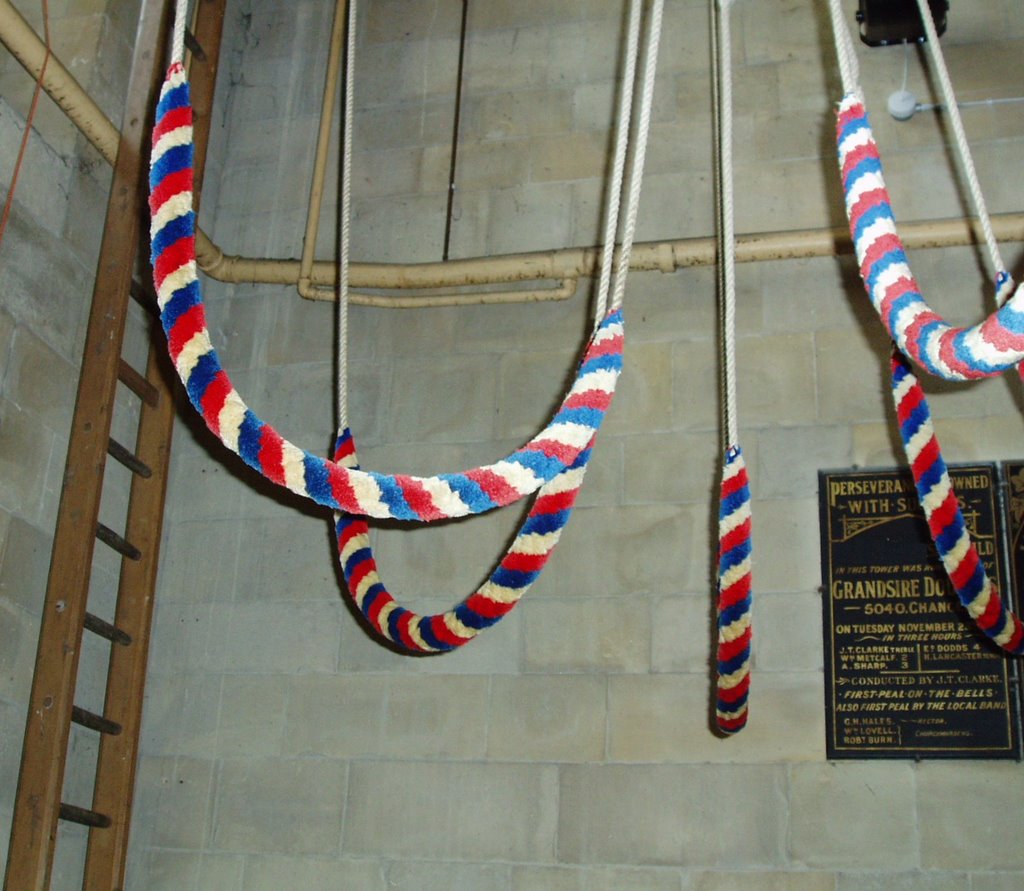
Above: The bell ropes, tied up high to prevent any miscreants (particularly children) ringing the bells without authority.
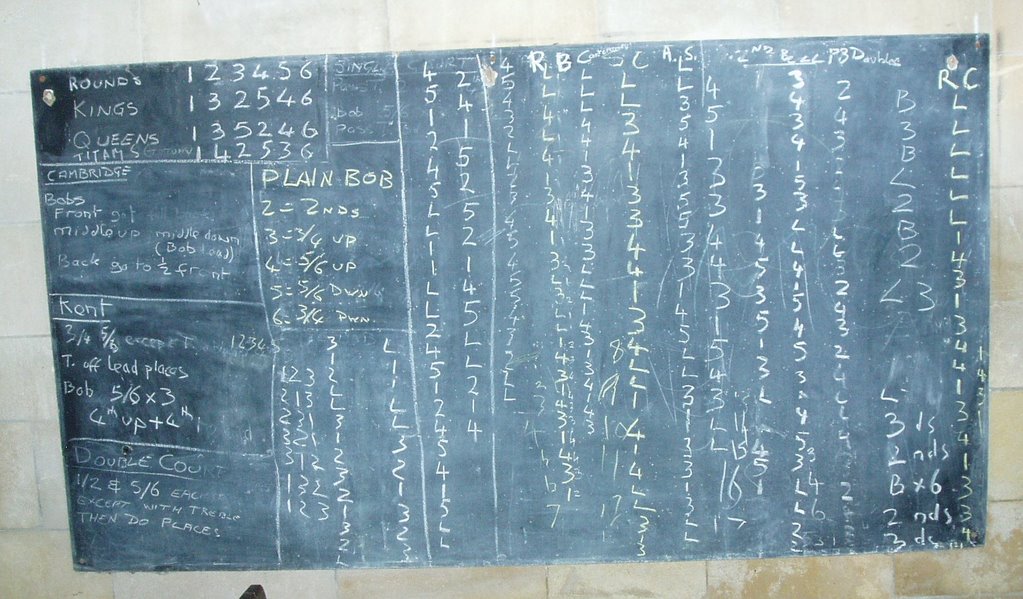
Above: The complicated “changes” are chalked up on a board for the bell-ringers to memorise.
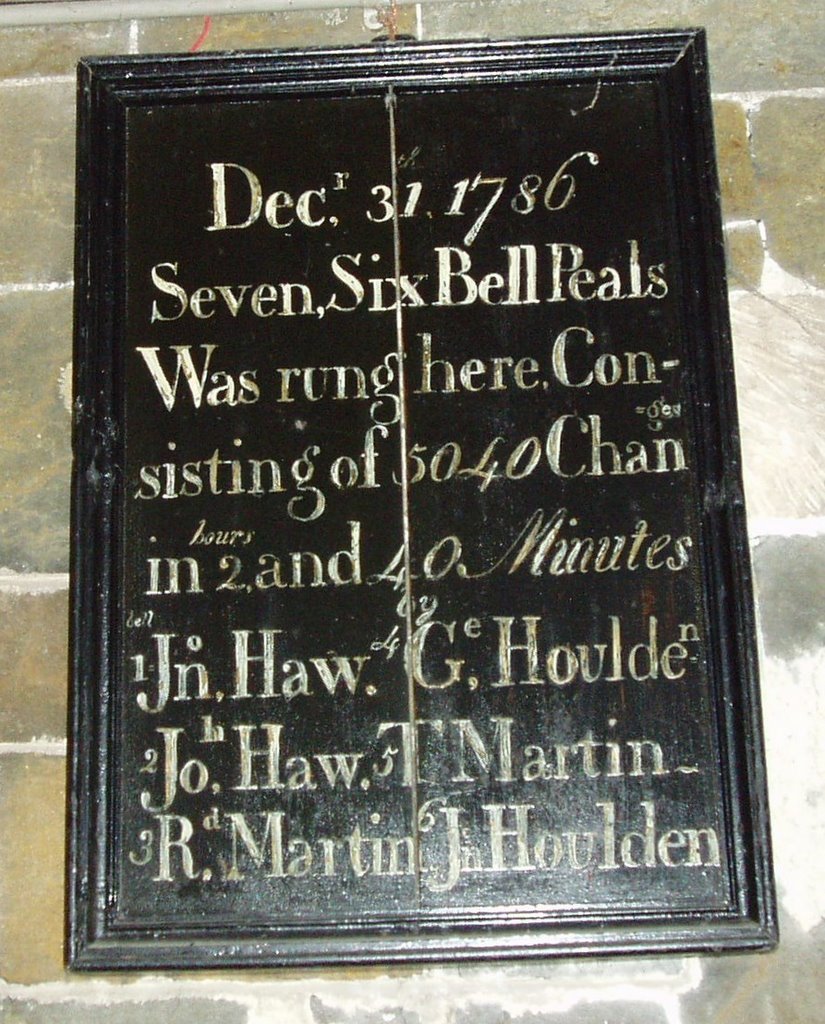
Above: The bell-ringers form a tightly-knit community. They have their own rituals and hierarchies. Their achievements are recorded in plaques put up under the tower.


No comments:
Post a Comment